
The gluten-free life of a competitive athlete - the story of Otto Niittykoski

Athlete and gluten-free diet
Combined national team athlete Otto Niittykoski has lived a gluten-free life since childhood. He knows that celiac disease is not a barrier to elite sport - but it requires planning, foresight and the right attitude. Otto shares his experiences and tips on what it's like to be a competitive athlete on a gluten-free diet.
The 24-year-old Otto is a member of the national combined team and his goal this season is a Top 10 finish in the World Cup and a place to represent Finland at the Milano-Cortina Olympics in February 2026. Otto's goal is also to establish himself among the top 20 competitors in the World Cup.
Gluten-free since childhood
Nutrition and energy in the everyday life of an athlete
Rhythm and snacks on race day
Travel challenges and Otto's own practical solutions
Expert support from the national team and Otto's tips for other athletes
Hopes for the future
A gluten-free life is a strength, not a limitation
Photos for this article by Jesse Väänänen
Gluten-free since childhood
- "I was diagnosed with celiac disease when I was four years old, so I can't really remember a time when gluten was part of my life," says Otto Niittykoski.
The diagnosis did not change childhood, but it taught the family a lot. Having been a part of life from the beginning, the gluten-free diet has become a natural part of everyday life.
- "Once you get used to the diet from an early age, you don't have to give up any 'normal' food."
In the athlete's everyday life, celiac disease is mainly seen when travelling.
- "The challenges are greatest abroad, but in many countries awareness of celiac disease is already at a high level."

Nutrition and energy intake in the athlete's daily life
Combining competitive sport and studies requires a balance. Otto takes advantage of student lunches and focuses on home cooking.
- "Student lunches are varied and provide a good change from cooking on your own."
In ski jumping, the weight of the athlete plays a major role, which makes meal planning particularly important. You also need to get your energy from the right sources.
- "Balancing necessary energy intake with weight optimisation can be challenging, but you can do well with a varied home diet."
Rhythm and snacks on race day
The combined consists of two consecutive events - the cross-country skiing and the skiing part. On race days, schedules can be very tight.
- "If the hill section starts at, say, 10am and the skiing at 1pm, you can have breakfast before the hill. However, in most cases there is no time to have a proper lunch between races. This is when snacks play an important role in maintaining energy levels. After the skiing part, it is important to eat something immediately to get your recovery going, as you may have another race the next day.
Otto tries to keep his food rhythm the same in all situations, but he is always well prepared:
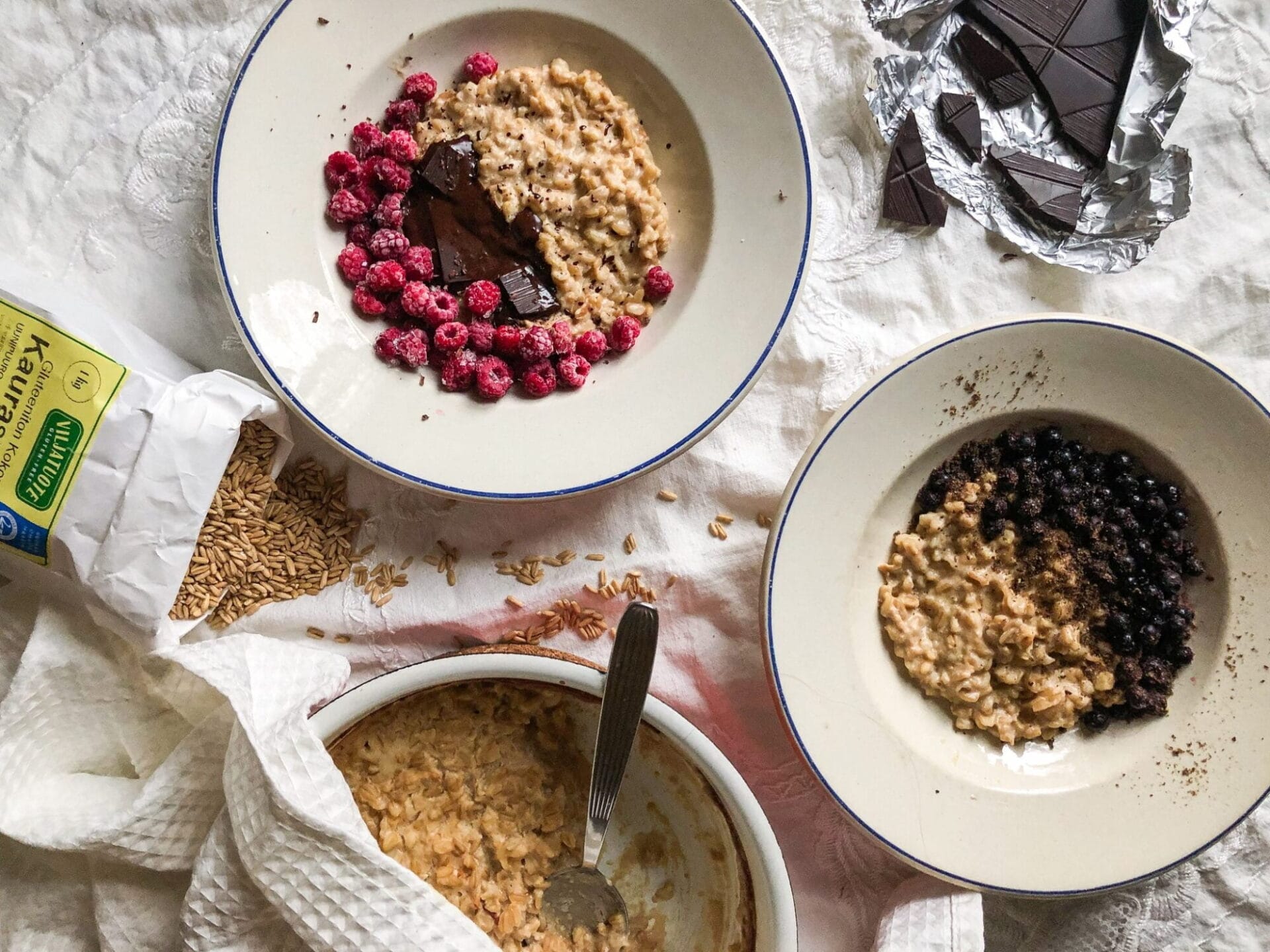
- "At race venues, I can't fully rely on catering services, so I always carry my own snacks - porridge, snack bars and recovery drinks."
Travel challenges and Otto's own practical solutions
Going gluten-free requires planning, especially when training and competing abroad.
- "The team always informs hotels about my diet in advance, but I still bring my own food."
Otto's suitcase often contains a rice cooker for cooking pasta or rice, instant porridge bags and snack bars - if the hotel's offer is not suitable or sufficient.
- "The availability of gluten-free food has improved, but it is not yet fully reliable in all countries."

Expert support from the national team and Otto's tips for other athletes
The national team provides Otto with a nutritionist to help him improve his diet.
- "Although I am an experienced coeliac, the help of an expert is invaluable in finding new ideas both in everyday life and when travelling."
Otto wants to encourage other athletes to take a relaxed approach to celiac disease:
- "Don't make celiac disease difficult for yourself. There are so many options in Finland, and you can substitute almost anything with a gluten-free product."
When abroad, she recommends doing some background work beforehand:
- "Knowing the level of awareness of celiac disease in the destination country makes it easier to plan meals and snacks."
Hopes for the future
Over the years, Otto has come to appreciate Finland's high level of celiac awareness.
- "It would be great if one day you could eat everywhere as safely and worry-free as in Finland."
Otto's tips and recipe for making gluten-free fresh pasta
Fresh pasta is quick and easy to prepare. It provides the athlete with the carbohydrates needed to perform and the flavour can be easily customised with a variety of additives, spices and sauces. Otto uses only egg yolks to make the pasta dough stiffer.
Ingredients
2 dl Cereal Product Gluten Free Light Flour Mix
4 egg yolks
Preparation
Measure the flour mixture into a baking bowl. Form a well in the middle. Add the eggs to the hole. Knead until smooth. Shape the dough into a thick disk and place in plastic wrap at room temperature for about 10 minutes.
Grind the table with a fine flour, e.g. rice flour, and roll the dough into a very thin disk - or use a pasta machine. Cut the pasta into strips of the desired size.
Boil the pasta in plenty of salted water for about 2-3 minutes. Remove the pasta from the pot directly onto a plate. There is no need to rinse the pasta. Serve with sauce or other side dishes.
A gluten-free life is a strength, not a limitation
Otto Niittykoski's story shows that a gluten-free diet is not a barrier to elite sport. With a well-planned diet and a varied and balanced nutritional intake, gluten-free is a natural part of an athlete's goal-oriented life.
Follow Otto's journey and success
Link to instagram page @ottoniittykoski
For more information on coeliac disease and gluten sensitivity, see for example:
- Coeliac Society: coeliac condition
- Intestinal Diseases Association: IBD - Inflammatory Bowel Diseases
- Duodecim: Non-celiac gluten sensitivity


Other related articles
Grams and Deciliters – A Guide to Converting Measurements in the Kitchen
Product safety comes from the quality of operations
Gluten-free sourdough bread - natural taste and easy on the stomach
Share the article