
Gluten-free sourdough bread - natural taste and easy on the stomach
Gluten-free sourdough bread combines traditional artisan baking, clean ingredients and a wellness mindset. It offers a new approach to gluten-free baking - without additives and unnecessary compromises. It's not just a baking method, but a way to make bread, for example, naturally and with respect for time.
In this article, we delve into the world of gluten-free sourdough and its uses. The expert is MakuaMedia's product developer Fiialiisa Kemppainen, who is familiar with sourdough baking, especially from a gluten-free perspective. According to her:
"What I like most about sourdough bread is its naturalness and absence of additives - as well as its potential stomach-friendliness. In a gluten-free diet, this is an important consideration for many."
What makes sourdough special?
Sourdough works without industrial yeast. It simply consists of water and flour in which natural yeasts and lactic acid bacteria settle and ferment. This microbial activity ferments the dough, giving it acidity, flavour and airiness.
Although gluten-free grains such as rice, millet, teff and buckwheat differ in structure from the rye normally used in sourdough bread, they provide an excellent base for sourdough root growth. Buckwheat activates quickly and adds depth to the root, while rice flour acts as a neutral and manageable alternative - both are great choices for making the first root.
Growing a root - time and attention
You can make sourdough with simple tools: a clean glass jar, water and the right gluten-free flour. The root is fed daily by adding fresh flour and water. In a week or so, the root will start to bubble and smell mildly acidic - a sign of successful fermentation.
"The most important thing to remember is that this is a living process - you learn by doing, " Fiialiisa Kemppainen reminds us.
What all can you cook?
Sourdough can be used to make much more than bread. It adds depth, texture and natural flavour to the dough. Sourdough can also be used at the same time as yeast, to speed up the rising process and achieve a fluffier result.
In the recipe bank of Virtasalmi Cereal Products under the heading Sourdough Baking you can find instructions for:
- Awakening and deployment of the sour root
- Durra sourdough bread made from dried sourdough root
- Gluten-free Teff sourdough cakes
- Ciabatta bread with sourdough and yeast
"Combining yeast and sourdough in baking offers the best balance between taste, texture and ease of baking. This technique combines the best of both raising methods and gives the bread a unique character." Fiialiisa Kemppainen tips.
Taste and texture that matter
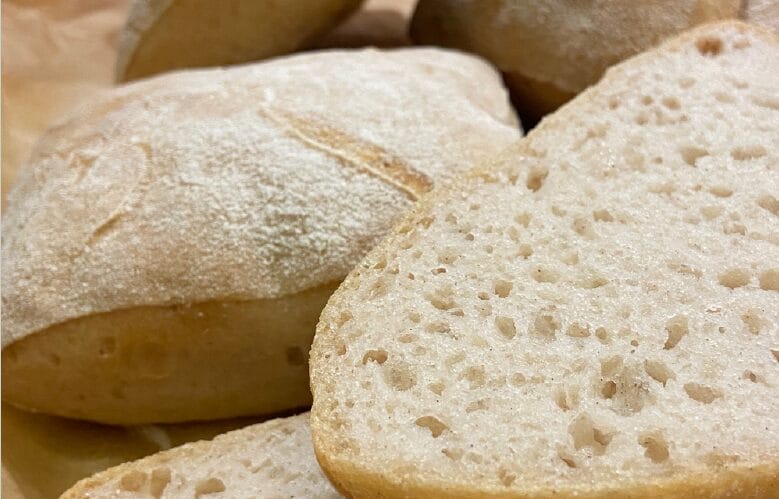
Gluten-free bread baked with sourdough stands out from the crowd. The crust is crispier, the inside is juicier and the flavour is richer than many other gluten-free breads. The long rising time gives the enzymes time to develop their flavour and structure.
"Gluten-free sourdough bread can be even better than regular sourdough bread when the root's characteristics come out: the crispy crust and the juicy moist inside."

Wellbeing for the stomach - an opportunity for many
Many gourmets have found relief in sourdough bread. Fermentation can break down FODMAP carbohydrates and digest phytic acid, which can facilitate nutrient absorption. Practical experience suggests that the root reduces bloating and abdominal irritation in many people.
"Although scientific research on the use of sourdough in baking is still ongoing, many people report fewer symptoms with sourdough bread than with regular yeast-baked gluten-free bread," Fiialiisa Kemppainen says.
When things don't go according to plan
Sourdough baking is learning. The first root may not work, and the bread may remain flat or have a weak texture. Often it is due to a cool environment, a passive root or too short a rising time.
At different stages, sourdough can smell of many things, such as the flour it is made from; ripe fruit; beer; cider; vinegar or even acetone. These aromas smell different in the different forms of the root beer. By understanding these aromas, you can keep your root healthy, learn how to feed it properly and know when it's ready for baking.
Article on the MakuaMedia website
One solution that works is to combine sourdough with a small amount of yeast - the so-called hybrid method. This increases the certainty of success of the dough, especially when the root is still young. A small pinch of dry yeast does not take away the flavour of the root, but helps the dough to rise reliably.
"Using yeast in combination with sourdough is not a shortcut but a tool. It can be used to build a successful bread result by learning the behaviour of the root," Fiialiisa Kemppainen reminds us.
Which flour do you do best with?
According to Fiialiisa Kemppainen of MakuaMedia, the most effective flour combinations can be found by trial and error, but there are good starting points:
- Fine buckwheat flour - quick to activate, slightly nutty taste
- Wholegrain horseradish flour - light, light texture
- Teff wholemeal flour -dark and rye-like, adds depth
- Dark wholemeal rice flour - neutral taste, easy to manage
Virtasalmi Cereal Products' flours are gluten-free and AOECS-certified, designed specifically for safe and successful home baking.

Start your own journey into sourdough baking
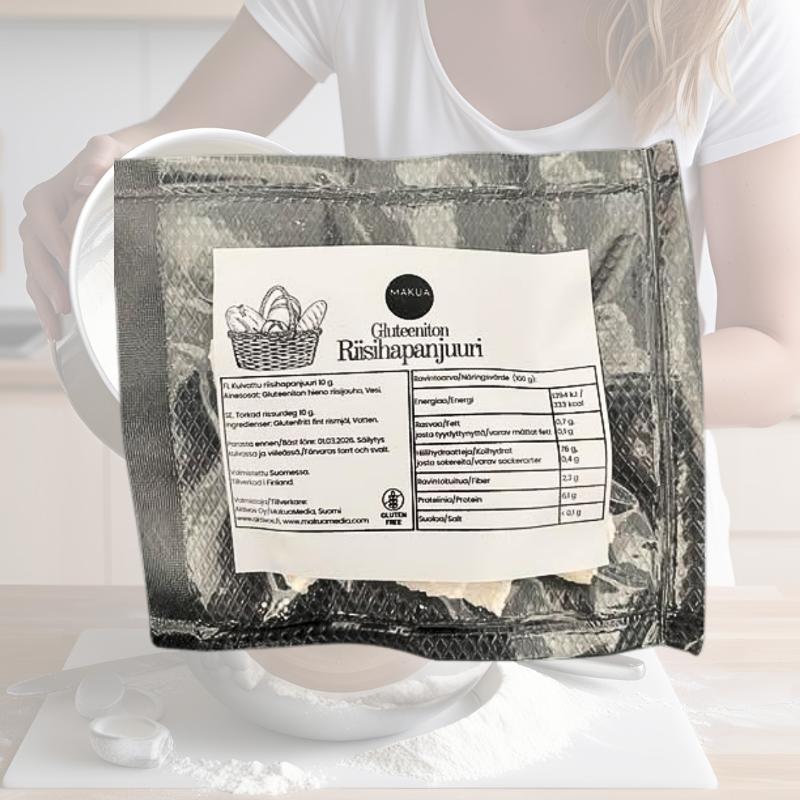
All champions have started from the first root. We provide you with everything you need: quality flour, step-by-step instructions and the possibility to order a ready-made, dried rice or sorghum-based sourdough.
When the first sourdough bread rises and bakes in the oven - and the smell of it fills the kitchen - you know every step was worth it.
Check out the recipes and flour for gluten-free sourdough bread:
👉 virtasalmenviljatuote.fi/gluten-free-sourdough-bread



Other related articles
Grams and Deciliters – A Guide to Converting Measurements in the Kitchen
The gluten-free life of a competitive athlete - the story of Otto Niittykoski
Product safety comes from the quality of operations
Share the article